LF logo
by learnformula
search
Log in
search
Courses/Law/Criminal Law

Scientific Approach to Law

We will be talking about scientific approach to law, false memory, challenge for cause and the charter and criminal law.

Created byAlan Gold
4.7
(24 reviews)
BeginnerUpdated Mar 19, 2021
Scientific Approach to Law

What You'll Learn

check_circleUnderstand the application of the scientific approach to law and its relevance to modern legal practices.
check_circleAnalyze the concept of false memory and its implications for witness credibility and legal decision-making.
check_circleApply strategies to address challenges for cause in jury selection and evaluate their impact on trial outcomes.
check_circleExamine the interplay between the Canadian Charter of Rights and Freedoms and criminal law in shaping legal processes and decisions.

About This Course

Topics covered: Scientific Approach to Law. False Memory Challenge for Cause The Charter and Criminal Law.
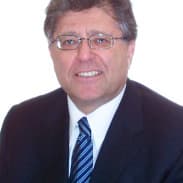
Your Instructor

Alan Gold
Alan Gold
menu_book2 courses
star73 reviews

ALAN D. GOLD practices at Alan D. Gold Professional Corporation, Barristers, 20 Adelaide Street East, Suite 210, Toronto, M5C 2T6. His practice is restricted to criminal trial and appellate work. He has appeared as counsel before all levels of courts in Ontario, as well as in seven of the other provinces. He has argued hundreds of appeals as well as over fifty cases in the Supreme Court of Canada. Mr. Gold is certified by the Law Society of Upper Canada as a Specialist in Criminal Litigation. Mr. Gold has written many texts, articles and other publications on legal topics and has delivered speeches and presentations on a wide assortment of legal topics to lawyers, judges, law students and other audiences, and has been a media commentator. His articles and presentations are available on LexisNexis QuickLaw in the database Alan D. Gold's Criminal Law Articles and Alan D. Gold’s Criminal Law Net letter.

Credit Information

What Students Are Saying

4.7
Student's Choice
24 reviews

Frequently Asked Questions

We are a registered provider with 327+ associations and regulatory bodies worldwide. We operate across 29 global markets including Canada, the US, Australia, and the UK. Every course page clearly displays its specific accreditations. Upon completion, you receive a professional certificate that can be validated online. Our certificates include all necessary accreditation details, credit hours, and completion dates, and are formatted specifically to meet the submission requirements of most global regulatory bodies.