Master the ancient art of persuasion to command the courtroom, influence juries, and turn your arguments into a physical force.
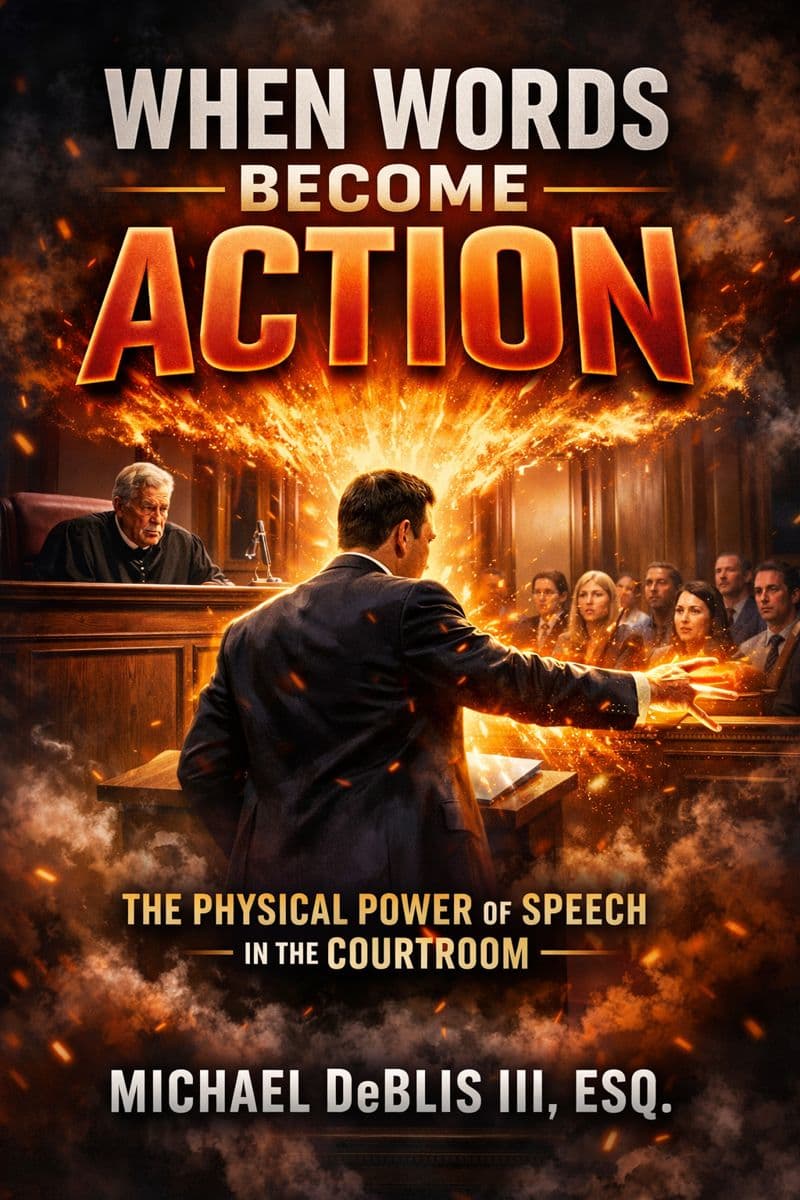
In the high-stakes environment of a courtroom, words are not merely spoken—they act. They have the power to acquit the innocent, convict the guilty, ruin reputations, or redefine the law. "When Words Become Action: The Power of Courtroom Rhetoric" explores the fascinating intersection of language, psychology, and the legal system. This course examines how lawyers, judges, and witnesses use linguistic strategies and narrative framing to sway juries, dismantle testimonies, and shape the very concept of justice.
Moving beyond basic debate skills, this course dives deep into "speech act theory" to understand how language functions as a performative tool in legal settings. Students will analyze transcripts and audio-visual recordings of some of history’s most famous and controversial trials—from antiquity to modern high-profile cases. Through the lens of classical rhetoric (ethos, pathos, and logos) and modern communication theory, we will deconstruct the anatomy of compelling opening statements, surgical cross-examinations, and devastatingly persuasive closing arguments. Furthermore, the course will tackle the ethical boundaries of courtroom persuasion: Where is the line between compelling advocacy and linguistic manipulation?
Key Themes & Topics:
Who Should Take This Course?
This course is ideal for Pre-Law students, Communication and Rhetoric majors, Psychology students, and anyone fascinated by true crime, debate, history, or the profound real-world consequences of human speech.

Trial, entertainment law and U.S. international tax law
Michael is a partner in the boutique law firm of DeBlis Law where he specializes in tax compliance and entertainment law. Michael graduated from Western Michigan University School of Law in 2007 and later went on to earn his Masters of Law in taxation (LL.M.) from Thomas Jefferson School of Law in 2012. As a former public defender, Michael has spent nearly eight years cutting his teeth on some of the most serious felony cases to pass through the state courts of New Jersey. Michael’s unique background in tax law puts him into an elite category of criminal defense attorneys who specialize in criminal tax defense. His extensive trial experience and solid grounding in all major areas of federal taxation make him uniquely qualified to handle any white-collar case, no matter how sophisticated it might be. Michael is known for his creativity, his charismatic personality, and his unyielding dedication to his clients. As a graduate of the National Criminal Defense College, Michael has trained under some of the best known criminal defense attorneys in the country. That experience has taught him that justice for a person accused of a crime is only won through a full understanding of the client and the case. To that end, Michael attempts to understand each client’s case as a convincing narrative, not just as a set of innocuous facts and arcane legal rules. When he's not in the courtroom, you can find Michael on stage. As a professionally trained actor, Michael's passionate about helping trial lawyers harness the power of persuasion and positive communication in the courtroom in order to connect to the jury on a human level. Michael's training as an actor allows him to combine a unique blend of left-brain thinking with right brain artistry to make even the most dull and abstract areas of the law come to life. This burst of creativity has contributed to Michael's success as a distinguished author and sought-out speaker. Michael has written articles that have been published in leading tax journals, such as "CCH Journal of Tax Practice and Procedure," "EA Journal," "Global Tax Weekly," and "ABA News Quarterly" and is a columnist for "Law360." He has been featured on the media affiliates of several major media networks, including NBC, ABC, CBS, Fox, and CNN. Michael is a living example of the tremendous power that comes from combining passion, preparation, persuasion, and positive communication in the courtroom. His courage and relentless work ethic have earned him a reputation as a zealous advocate and one of New Jersey's rising stars of the legal profession.
