LF logo
by learnformula
search
Log in
search
Courses/Law/Legal Ethics

Legal Ethics in the Digital Age: Strategies for Attorneys

Safeguarding Professional Integrity and Client Trust in the Digital Age
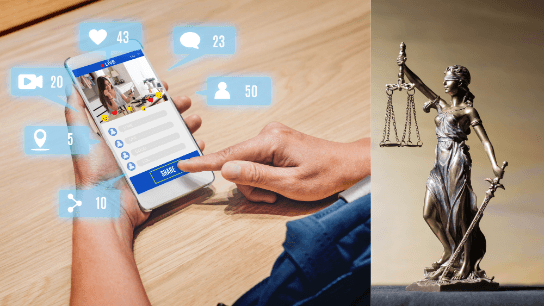
Created byKathryn Sheely
4.7
(70 reviews)
BeginnerUpdated Nov 1, 2023
Legal Ethics in the Digital Age: Strategies for Attorneys

What You'll Learn

check_circleDevelop strategies for protecting client data, personal information, and trade secrets in the digital space, with a focus on cybersecurity best practices.
check_circleUnderstand the legal obligations and reporting requirements related to data security breaches and privacy violations.
check_circleFoster a culture of preparedness, collaboration, and continuous improvement in cybersecurity practices within law firms.
check_circleEnhance communication with clients regarding data security, technological competence, and the use of AI tools in legal practice.
check_circleImplement effective strategies for maintaining client confidentiality, ensuring secure information transmission, and preventing inadvertent disclosure.
check_circleDevelop risk management strategies, including conducting cybersecurity audits, testing emergency procedures, and enhancing response times to breaches or incidents.

About This Course

This course explores the intersection of ethics, technology, and social media within the legal profession, with a specific focus on the challenges posed during the COVID-19 era. Attorneys will learn how to navigate the complexities of maintaining a social media presence for their firms while avoiding ethical pitfalls. The course delves into the ethical considerations and risks associated with the use of digital tools, social media platforms, and emerging technologies. Participants will gain a comprehensive understanding of data security, ethical communication, and client confidentiality in the digital age, as well as strategies for protecting sensitive information and mitigating cybersecurity risks. The course emphasizes the importance of maintaining ethical practices, technological competence, and continuous improvement in cybersecurity readiness.

Topics Discussed:

  • The interconnectedness of ethics, technology, and social media
  • Challenges and benefits of maintaining a social media presence for law firms
  • Ethical considerations and pitfalls in using digital tools and social media platforms
  • Balancing advertising needs and ethical responsibilities on social media
  • Automation, tailored software, and their impact on time-saving and client confidentiality
  • Risks and best practices for data security and cybersecurity in law firms
  • Legal obligations and reporting requirements for data breaches and privacy violations
  • Establishing a culture of preparedness and collaboration in cybersecurity practices
  • Effective communication with clients regarding data security and technological competence
  • Maintaining client confidentiality and secure information transmission
  • Risk management strategies and conducting cybersecurity audits
  • Enhancing response times and implementing emergency procedures for breaches or incidents
  • Professional integrity and client trust in the digital age.

Your Instructor

Kathryn Sheely
Kathryn Sheely

Criminal Defense Attorney

menu_book1 courses
star70 reviews

Kathryn is a founder and partner of Path Forward Legal, a criminal defense firm in Colorado. She first started in law as a state-wide death penalty public defender in Louisiana. She lead her team to win a unanimous life verdict in a first degree murder trial against the District Attorney Slate named one of America’s deadliest prosecutors. As a firm owner and criminal defense attorney in Colorado, she balances the role of dedicated advocate with that of a small business owner juggling everything from privacy law to techincal support. Her practice includes complex litigation and criminal defense, ranging from felony trials to administrative hearings and post-verdict appeals.

Credit Information

What Students Are Saying

4.7
Student's Choice
70 reviews

Frequently Asked Questions

We are a registered provider with 327+ associations and regulatory bodies worldwide. We operate across 29 global markets including Canada, the US, Australia, and the UK. Every course page clearly displays its specific accreditations. Upon completion, you receive a professional certificate that can be validated online. Our certificates include all necessary accreditation details, credit hours, and completion dates, and are formatted specifically to meet the submission requirements of most global regulatory bodies.