Help individuals become aware of implicit biases in themselves and others.
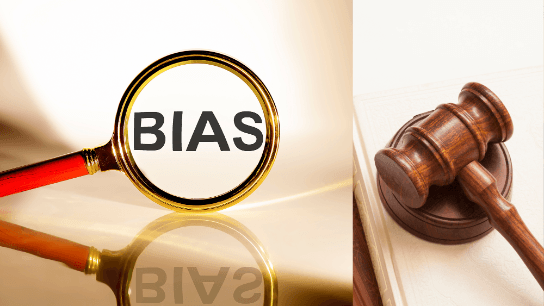
This course will address implicit bias. It is designed to help individuals become aware of implicit biases in themselves and others. The goal is to equip course participants with strategies to act objectively while limiting or eliminating implicit biases in personal interactions with others in the workforce and beyond.
Understanding implicit bias—the unconscious attitudes and stereotypes that affect our understanding, actions, and decisions—is crucial for fostering fairness, upholding professional duties, and ensuring equitable outcomes in law firms, courtrooms, and business environments. Explore how these hidden biases can impact everything from hiring and client representation to judicial impartiality and workplace dynamics.
Through this course, you will gain valuable insights into:
Equip yourself with the knowledge and techniques necessary to identify and challenge implicit bias, enhancing your ethical practice, improving professional relationships, and contributing to a more just system for all.
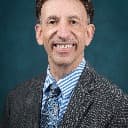
Dr. Robert N. Diotalevi, Esq., LL.M., has been a full-time academician for thirty-five (35) years. For the past twenty-five (25) years Dr. Diotalevi has been an Associate Professor and Founding Program Coordinator of Legal Studies at Florida Gulf Coast University. He has been a lawyer for forty (40) years as a member of the Massachusetts and Florida bars. He possesses four (4) degrees and has been internationally published. In 2009 Dr. Diotalevi had a book published. It is entitled, “The Florida Paralegal,” with Attorney William Statsky and published by Cengage Learning. Dr. Diotalevi was a professional broadcaster for eight (8) years and held managerial positions in radio news and production. Dr. Diotalevi’s works have been published in SMU School of Law’s Computer Law Review and Technology Journal, The Paralegal Educator, The Journal of Paralegal Education and Practice, and The Online Journal of Distance Learning Administration. He also serves as an editor for The British Journal of Social Sciences, British Association of Academic Research, Midlands, U.K, The OnLine Journal of Distance Learning Administration, State University of West Georgia, The European Journal of Business and Social Sciences, Zurich, Switzerland, and The Journal of Biblical Integration in Business (JBIB), Christian Business Faculty Association, Mount Vernon. Dr. Diotalevi presents at national and regional law-related conferences as well as at various legal organizations around the country.
