LF logo
by learnformula
search
Log in
search
Courses/Law/Employment Law

Advanced Unfair Dismissal Tactics

Master sophisticated legal strategies to navigate high-stakes terminations, outmaneuver complex tribunal claims, and build bulletproof cases in employment litigation.
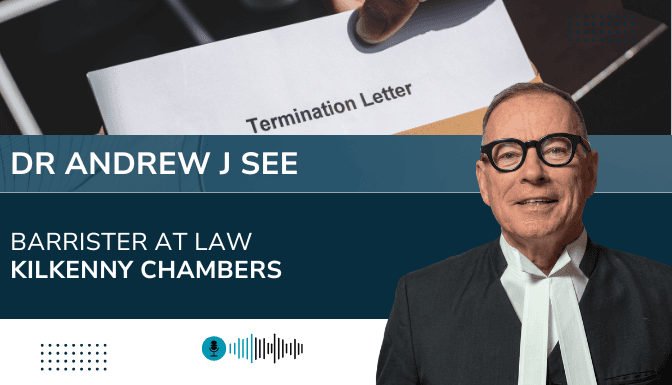
Created byDr Andrew J See
BeginnerUpdated Jun 2, 2026
Advanced Unfair Dismissal Tactics

What You'll Learn

check_circleEvaluate complex unfair dismissal claims to assess legal risks and tribunal success probabilities.
check_circleFormulate advanced procedural defenses to protect organizations against high-risk termination disputes.
check_circleDesign strategic negotiation frameworks to achieve favorable settlements in contested dismissal cases.
check_circleApply advanced litigation tactics to effectively navigate complex employment tribunal proceedings.

About This Course

Unfair dismissal claims continue to present significant legal, financial, and operational challenges for employers. This session examines advanced strategies for responding to unfair dismissal applications, including jurisdictional objections, evidentiary considerations, conciliation tactics, and settlement decision-making. Drawing on tribunal practice and case-based insights, the presentation provides practical guidance on assessing claims, managing litigation risk, and improving dismissal processes to reduce the likelihood of disputes.

Key Topics Discussed:

  • The unfair dismissal framework and current application trends
  • Identifying and striking out unmeritorious claims
  • Jurisdictional objections and threshold issues
  • Constructing effective applications and responses
  • Evidence gathering, witness preparation, and evidentiary strategy
  • The role of procedural fairness in dismissal decisions
  • Small business dismissal considerations
  • Conciliation processes and negotiation tactics
  • Assessing settlement opportunities and when not to settle
  • Misconduct allegations and defending dismissal decisions
  • Arbitration outcomes, reinstatement trends, and litigation risk
  • Common employer mistakes in dismissal processes
  • Managing workplace conflict before it escalates to litigation
  • Practical strategies for reducing unfair dismissal exposure
  • Key lessons from tribunal practice and decision-making trends

Your Instructor

Dr Andrew J See
Dr Andrew J See

Barrister at Law | Consultant | Academic, Kilkenny Chambers

menu_book1 courses

Andrew See is a barrister, HR & industrial relations consultant and sessional academic. Prior to commencing at the bar at Inns of Court in Brisbane, he was engaged as Counsel Employee Relations at Freehills (now Herbert Smith Freehills Kramer). Between 2011 and 2020, Andrew was a Resident Magistrate in the Republic of Fiji, where he sat on the Employment Relations Tribunal, the Tax Tribunal, the Environment Tribunal, the Customs Act Court of Review and the Judicial Services Commission Disciplinary Tribunal (Non-Judicial Staff). Today, Andrew performs a broad range of legal and consultancy services across a diverse client base in both Australia and the Pacific. Andrew was educated at St Joseph's College Gregory Terrace, and Marist College Ashgrove, and during his early tertiary studies was a member of the boarding school staff at Nudgee College. He holds degrees in arts (economics), law, philosophy and business administration, diplomas in industrial relations and business and a graduate certificate in university learning and teaching. Andrew is a member of the Queensland Bar Association, the Industrial Relations Society of Queensland, the Queensland Irish Association, and the Pasifika Lawyers Association of Queensland. He is also a life member of both the Gregory Terrace and Marist Ashgrove Old Boys' Associations.

Credit Information

What Students Are Saying

0.0
Student's Choice
0 reviews

Frequently Asked Questions

We are a registered provider with 327+ associations and regulatory bodies worldwide. We operate across 29 global markets including Canada, the US, Australia, and the UK. Every course page clearly displays its specific accreditations. Upon completion, you receive a professional certificate that can be validated online. Our certificates include all necessary accreditation details, credit hours, and completion dates, and are formatted specifically to meet the submission requirements of most global regulatory bodies.