Explore the different ways implicit bias and micro-aggressions manifest in law firm culture
In today's legal landscape, fostering a culture of inclusion and belonging is crucial for law firms seeking to thrive in a diverse society. This continuing legal education course provides lawyers with an opportunity to explore the different ways implicit bias and microaggressions manifest in law firm culture and equips them with the necessary tools to address these issues effectively.
Implicit bias refers to the unconscious attitudes, stereotypes, and prejudices that individuals hold, influencing their judgments and behaviors toward others. These biases can be rooted in factors such as race, gender, age, appearance, or other social categories. Surprisingly, implicit biases can occur even in individuals who explicitly endorse equality and fairness.
Drawing on notable legal cases and scholarly research, this course examines the impact of implicit bias within the legal profession. It explores significant cases, including Lewis v. City of Chicago (2010), United States v. Ferguson (2012), and Texas Department of Housing and Community Affairs v. The Inclusive Communities Project, Inc. (2015), to understand the legal implications and considerations related to implicit bias.
By taking this course, participants will gain a comprehensive understanding of how implicit bias and microaggressions negatively affect law firm culture and will learn practical ways to identify and address these issues.
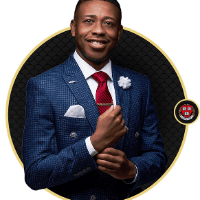
Founder | The DJB Law Group & The B-Squared Global Group
Darrell J. Bennett is an internationally known legal expert, criminal justice advocate, and alumnus of both Morehouse College, where he was Valedictorian, and Harvard Law School, where he was Class Marshal. When he practiced law in Maryland, his area of expertise was contract law. Darrell is the founder of The DJB Law Group and The B-Squared Global Group, headquartered in New York City, as well as the creator of the mentorship mobile app, Journy. Darrell has spoken in over a dozen nations on three continents and has published four books. He reaches audiences around the world weekly through his social media channels and podcasts. For more on his work, visit www.DarrellBennett.com
